
“`html
Introduction
Traveling is one of life’s greatest pleasures, offering new experiences, cultures, and adventures. However, it can also bring about logistical challenges, especially when it comes to managing travel documents. Ensuring you have the correct paperwork in order is crucial to enjoying a hassle-free trip. This article will provide you with essential tips on how to master your travel documents, ensuring a smooth journey from start to finish.
Understanding the Basics of Travel Documents
Before diving into specific tips, it’s important to understand the basic types of travel documents you might need. These typically include:
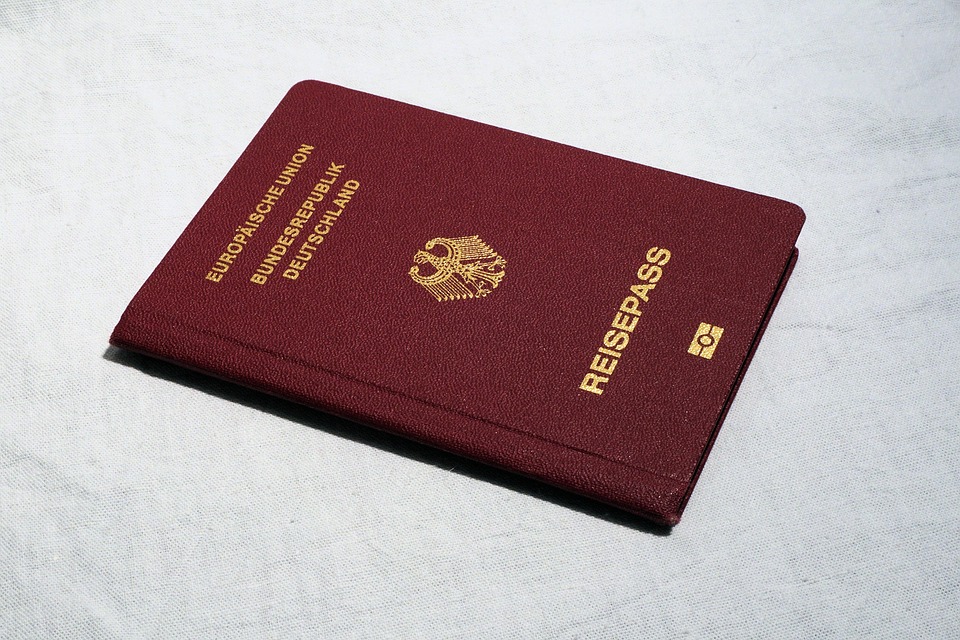
Passport
Your passport is your primary identification when traveling internationally. It’s crucial to ensure it’s valid for at least six months beyond your intended stay in a foreign country.
Visa
Depending on your destination, you may need a visa. This is an official document or stamp in your passport authorizing your entry into a specific country for a specific duration.
Travel Insurance
While not always mandatory, travel insurance is highly recommended. It provides coverage for unforeseen events such as medical emergencies, trip cancellations, and lost luggage.
Flight Tickets and Boarding Passes
These documents confirm your travel itinerary and are necessary for boarding your flights.
Accommodation Reservations
Proof of accommodation may be required at immigration, so keep your hotel bookings handy.
Itinerary
A detailed itinerary helps you stay organized and can be useful for visa applications or when entering certain countries.
Preparing Your Travel Documents
Preparation is key to ensuring a stress-free travel experience. Here are some steps to take before you embark on your journey:
Check Passport Validity
Verify that your passport is up to date. Many countries require that your passport be valid for at least six months beyond your planned departure date. Renew it well in advance if necessary.
Research Visa Requirements
Determine if your destination requires a visa. Some countries offer visas on arrival, while others require you to apply in advance. Visit the official government website of your destination for accurate information.
Secure Travel Insurance
Choose a travel insurance policy that covers your specific needs, like health emergencies, theft, or trip cancellations. Keep a copy of your policy and emergency contact numbers with you.
Organize Flight and Accommodation Documents
Print and digitally store your flight tickets, boarding passes, and accommodation reservations. Having both formats ensures you can access them even if you lose internet access.
Create a Detailed Itinerary
Having a well-organized itinerary helps streamline your travel plans and can be useful for visa applications or when explaining your travel intentions at immigration.
Digitize Your Documents
In today’s digital age, having electronic versions of your documents is a lifesaver. Here’s how to digitize effectively:
Scan and Save
Scan all important documents, including your passport, visa, insurance, tickets, and itinerary. Save them in a secure cloud service like Google Drive, Dropbox, or iCloud.
Use Travel Apps
Many travel apps allow you to store documents securely. Apps like TripIt and WalletPasses help organize your travel details in one place for easy access.
Secure Your Information
Protect your digital documents with strong passwords and enable two-factor authentication on your storage accounts. This ensures your sensitive information remains safe.
Keeping Documents Safe During Travel
Once you start your journey, it’s crucial to keep your documents secure:
Use a Travel Wallet
Invest in a travel wallet or document organizer that keeps all your essential paperwork in one place. Choose one with RFID protection to prevent digital theft.
Carry Photocopies
Keep photocopies of your passport, visa, and insurance in a separate bag from the originals. This provides a backup in case of loss or theft.
Utilize Hotel Safes
When not needed, store your passport and other important documents in your hotel safe. This reduces the risk of losing them while exploring.
Remain Vigilant
Always be aware of your surroundings, especially in crowded places, to avoid pickpocketing. Keep your documents close to your body in a secure bag.
Handling Document Issues Abroad
Even with thorough preparation, issues can arise. Here’s how to handle common document problems:
Lost or Stolen Passport
Report a lost or stolen passport to the local authorities and your country’s embassy or consulate immediately. They can assist in issuing an emergency travel document.
Visa Problems
If you encounter visa issues, contact the nearest embassy or consulate for assistance. They can advise on next steps or help resolve any discrepancies.
Flight and Accommodation Changes
If your travel plans change, update your flight and hotel reservations promptly. Most airlines and hotels allow modifications via their apps or customer service.
Conclusion
Mastering your travel documents is a fundamental aspect of ensuring a hassle-free trip. By understanding the types of documents you need, preparing them in advance, digitizing your files, and keeping everything secure, you can focus on enjoying your adventures. Remember, preparation is key, and with these tips, you’ll be well-equipped to handle any document-related challenges that come your way. Safe travels!
“`
#ChatGPT assisted in the creation of this article.