
Introduction
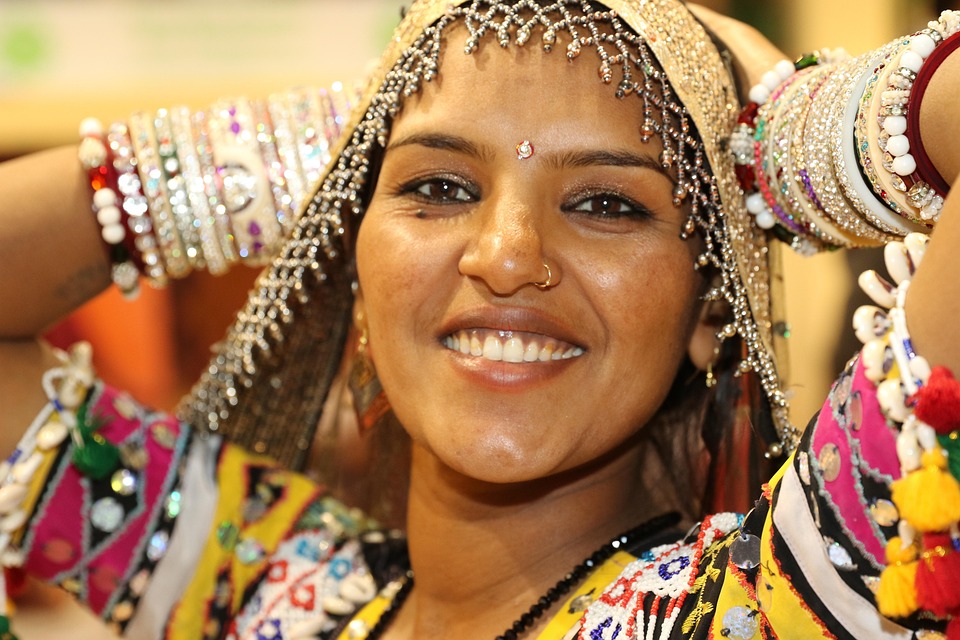
Folklore, the body of expressive culture shared within a community, encompasses the traditions, tales, music, dance, and beliefs passed down through generations. These narratives, while rooted in the past, continue to shape identities and connect societies across the globe. In this exploration of global folklore, we delve into the timeless traditions that define cultures, examining their origins, significance, and evolution over time. From the mystical sagas of Scandinavia to the vibrant myths of Africa, folklore provides a window into the soul of each community, revealing shared human experiences and universal truths.
The Significance of Folklore
Folklore serves as a cultural repository, preserving the values, beliefs, and norms of a society. It is a tool for education, entertainment, and the transmission of moral lessons. Stories such as the cautionary tales of the Brothers Grimm or the epic adventures of the Mahabharata have not only entertained but also taught generations about the consequences of actions and the complexities of human nature. In many ways, folklore is a mirror reflecting the collective psyche of a people, providing insights into their fears, hopes, and dreams.
Mythology and Legend: The Backbone of Folklore
At the heart of folklore lies mythology, the collection of myths belonging to a particular religious or cultural tradition. Myths often explain the origins of the world, the nature of deities, and the adventures of heroes. Consider the rich tapestry of Greek mythology, with its pantheon of gods and goddesses who exhibit human-like flaws and virtues. These stories, passed down through oral tradition, have influenced countless works of art, literature, and philosophy.
Legends, on the other hand, are narratives rooted in historical events or figures, though often embellished over time. The legend of King Arthur, for example, blends history and myth, telling of a noble king who defended Britain against invaders. Such tales often serve to inspire communities, instilling pride and a sense of identity.
Folktales and Fairy Tales: Timeless Lessons
Folktales and fairy tales are integral to folklore, often featuring supernatural elements and moral lessons. These stories, while entertaining, convey deeper meanings and cultural values. The tale of Cinderella, found in various forms around the world, emphasizes themes of kindness, resilience, and justice. Similarly, the African folktale of Anansi the Spider teaches lessons about cunning and wisdom.
Fairy tales, with their magical elements and happy endings, often serve as an escape from reality, yet they also reflect societal norms and expectations. The enduring popularity of these tales attests to their ability to resonate with audiences across generations and cultures.
Rituals and Practices: Living Folklore
Folklore is not confined to stories but extends to practices and rituals that are performed regularly within a community. These traditions, often linked to religious or seasonal events, reinforce cultural identity and continuity. For instance, the Day of the Dead in Mexico is a vibrant celebration honoring deceased loved ones, blending indigenous and Catholic traditions. Similarly, the Japanese festival of Obon, a time to honor ancestors, showcases the deep respect for familial ties.
Such rituals serve as tangible expressions of folklore, allowing participants to engage with their heritage in meaningful ways. They also offer opportunities for communities to come together, fostering social cohesion and a sense of belonging.
Music and Dance: Folklore in Motion
Music and dance are powerful expressions of folklore, capturing the essence of a culture through rhythm and movement. Folk music, often passed down orally, reflects the history and struggles of a people. The haunting melodies of Irish ballads or the jubilant rhythms of West African drumming convey emotions and stories that resonate deeply with listeners.
Dance, too, plays a crucial role in folklore, with traditional dances often performed during rituals, celebrations, or storytelling. The Indian classical dance form Bharatanatyam, for example, combines intricate footwork and expressive gestures to narrate mythological tales. In the Caribbean, the vibrant and energetic dances of Carnival reflect a fusion of African, Indigenous, and European influences.
The Evolution of Folklore in a Globalized World
In today’s interconnected world, folklore continues to evolve, adapting to new contexts and technologies. The digital age has ushered in new forms of storytelling, with memes, viral videos, and online communities creating modern folklore. These contemporary expressions retain the essence of traditional folklore, reflecting shared experiences and collective consciousness.
Globalization has also facilitated the exchange of folklore between cultures, leading to hybrid forms that blend elements from different traditions. This cross-cultural interaction enriches the tapestry of global folklore, fostering understanding and appreciation of diverse cultural narratives.
The Role of Folklore in Cultural Preservation
As cultures face the challenges of modernization and globalization, folklore plays a crucial role in preserving cultural heritage. Efforts to document and revitalize traditional practices and stories help to ensure their survival for future generations. Organizations and communities worldwide are working to safeguard intangible cultural heritage, recognizing its importance in maintaining cultural diversity.
In some cases, folklore is used as a tool for cultural revival, empowering marginalized communities to reclaim their narratives and assert their identities. By celebrating and preserving folklore, societies can foster a sense of pride and continuity, reinforcing the cultural fabric that binds them together.
Conclusion
Folklore, with its rich tapestry of stories, rituals, music, and dance, serves as a vital link between the past and present. It offers insights into the human condition, reflecting our shared struggles, aspirations, and values. In exploring global folklore, we unlock the timeless traditions that define cultures, celebrating the diversity and interconnectedness of human experience.
As we continue to navigate the complexities of the modern world, folklore remains a source of wisdom and inspiration, reminding us of the enduring power of storytelling and the importance of preserving our cultural heritage. Whether through ancient myths or contemporary digital tales, folklore continues to captivate and connect us, transcending boundaries and uniting us in our shared humanity.
#ChatGPT assisted in the creation of this article.