
Introduction
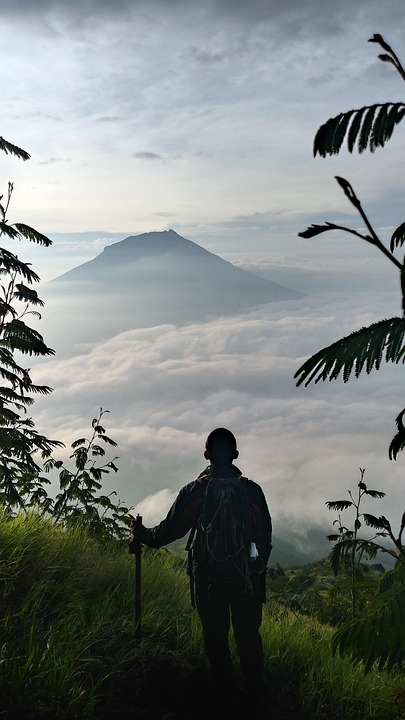
Traveling solo can be one of the most enriching experiences one can undertake. It offers an unparalleled opportunity for self-discovery, independence, and adventure. However, venturing into the world alone requires a unique set of skills and preparation. Whether you’re a seasoned solo traveler or embarking on your first independent journey, mastering the art of solo travel can turn your trip into an unforgettable experience. In this article, we’ll explore essential tips for adventurers looking to master solo travel.
Planning Your Solo Adventure
Choose the Right Destination
The first step in any solo travel adventure is selecting a destination that suits your interests, budget, and comfort level. For beginners, destinations known for being solo-traveler-friendly, such as Japan, New Zealand, or Portugal, might be ideal. Consider factors such as safety, language barriers, and the type of experiences you seek, whether cultural immersion, adventure activities, or relaxation.
Research and Itinerary Building
While spontaneity is a thrilling part of solo travel, having a loose itinerary can help prevent stress and ensure you don’t miss out on must-see attractions. Research your destination thoroughly, including local customs, transportation options, and accommodation choices. Utilize travel forums, blogs, and guides to get insider tips and insights from other solo travelers.
Packing Smart for Solo Travel
Minimalism is Key
When traveling alone, it’s crucial to pack light. A heavy backpack or suitcase can be cumbersome and hinder your mobility. Focus on versatile clothing items that can be mixed and matched, and consider investing in high-quality travel gear such as a comfortable backpack, a portable charger, and a good pair of walking shoes.
Essential Documents and Items
Ensure you have all necessary documents, including your passport, travel insurance, and any required visas. Keep digital copies of these documents in a secure cloud storage service. Additionally, pack a small first-aid kit, a reusable water bottle, and any personal items that may not be readily available at your destination.
Ensuring Safety While Traveling Solo
Stay Connected
Maintaining communication with friends and family is key to staying safe during solo travel. Share your itinerary with a trusted person and regularly update them on your whereabouts. Consider using a travel app that shares your location in real-time, giving loved ones peace of mind.
Trust Your Instincts
One of the most important aspects of solo travel is trusting your instincts. If a situation or person feels off, remove yourself from it. Always prioritize your safety over politeness, and be cautious about sharing personal information with strangers.
Making the Most of the Solo Experience
Embrace the Freedom
Solo travel offers the ultimate freedom to make decisions without compromise. Embrace this autonomy by being open to change and following your interests. Whether it’s spending an entire day at a museum or spontaneously heading to a new city, the choice is yours.
Meet New People
Traveling alone doesn’t mean you have to be lonely. Engage with fellow travelers and locals through social platforms, travel groups, or organized tours. Staying in hostels or joining local events can also provide opportunities to meet like-minded individuals and forge new friendships.
Navigating Cultural Differences
Respect Local Customs
Being culturally sensitive is crucial when traveling solo. Research local customs and etiquette to avoid unintentionally offending anyone. Simple gestures, such as learning a few words of the local language or dressing appropriately, can go a long way in showing respect and fostering positive interactions.
Stay Open-Minded
Every culture has its unique way of life. Approach new experiences with an open mind and a willingness to learn. This mindset will enrich your travel experience and help you appreciate the diversity of the world.
Budgeting and Managing Finances
Set a Realistic Budget
Budgeting is an essential aspect of solo travel. Determine how much you can afford to spend and allocate funds for accommodation, food, activities, and emergencies. Be mindful of currency exchange rates and transaction fees, and consider using a travel credit card that offers benefits such as no foreign transaction fees.
Save on Accommodation and Transportation
Explore cost-effective accommodation options such as hostels, guesthouses, or short-term rentals. For transportation, consider public transit, walking, or renting a bike to explore your destination affordably. Booking flights in advance and using budget airlines can also help reduce travel costs.
Maintaining Health and Well-being
Stay Active
Maintaining physical health is important during solo travel. Incorporate activities like hiking, swimming, or yoga into your itinerary to stay active. Regular exercise not only boosts your mood but also helps combat the physical effects of long travel days.
Mindful Eating
Exploring new cuisines is a highlight of travel, but it’s essential to maintain a balanced diet. Indulge in local delicacies while ensuring you consume enough fruits, vegetables, and water. Listen to your body’s needs and rest when necessary to avoid burnout.
Conclusion
Mastering solo travel is a rewarding journey that combines careful planning, adaptability, and a spirit of adventure. By choosing the right destination, packing wisely, prioritizing safety, and embracing cultural differences, you can create memorable solo travel experiences. Remember that the world is full of opportunities for discovery, and each solo journey offers a chance to learn and grow. So, go forth with confidence and curiosity, and enjoy the adventure that awaits.
#ChatGPT assisted in the creation of this article.