
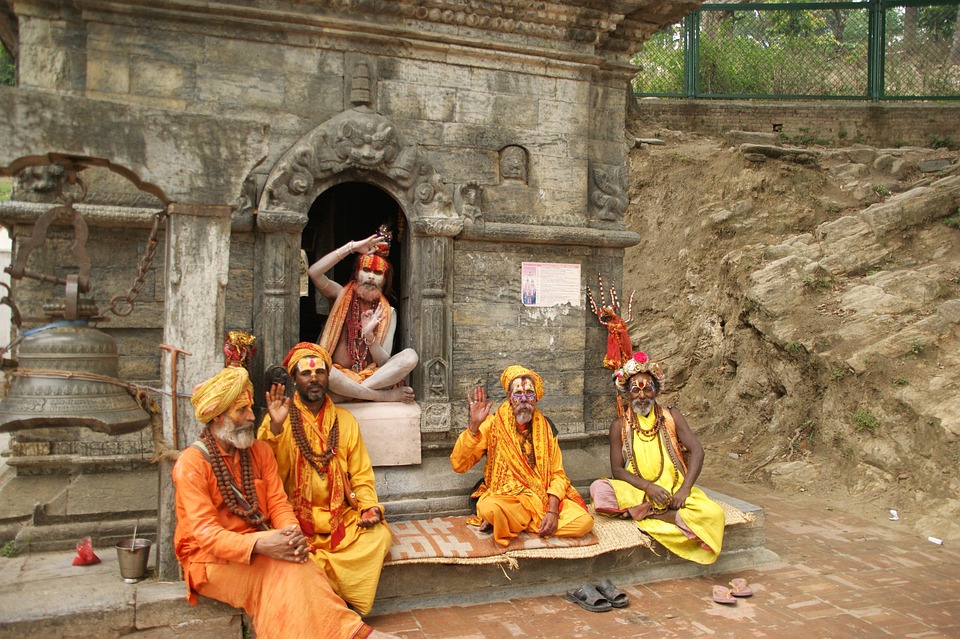
Traveling is more than just visiting new places; it is an exploration of cultures, histories, and traditions that shape the identity of communities around the world. Among the most fascinating aspects of any culture are its rituals—practices that are passed down through generations, often imbued with deep spiritual or cultural significance. Discovering these enchanting local rituals can offer travelers profound insights into the values and beliefs of the people they meet. In this article, we embark on a cultural journey to explore some of the most captivating rituals from around the globe.
Asia: The Dance of the Dragon in China
In China, the Dragon Dance is an iconic ritual that symbolizes strength, power, and good fortune. Typically performed during the Chinese New Year, the dance involves a team of performers who manipulate a long, flexible dragon figure made of cloth and bamboo. As they dance, the dragon appears to glide and undulate, mimicking the movements of this mythical creature. The ritual is not only a visual spectacle but also an important cultural expression that brings communities together, celebrating unity and the hope for prosperity in the coming year.
Africa: The Maasai Jumping Dance in Kenya
In the heart of East Africa, the Maasai people of Kenya perform a captivating ritual known as the Adumu, or the jumping dance. This traditional dance is a rite of passage for young Maasai warriors, showcasing their strength, endurance, and agility. During the ceremony, the young men form a circle and take turns jumping as high as they can, accompanied by rhythmic singing and clapping. The Adumu is not just a physical feat but a cultural expression of identity, marking the transition from youth to adulthood within the Maasai community.
Europe: La Tomatina Festival in Spain
In the small town of Buñol, Spain, the La Tomatina festival is an exuberant ritual that transforms the streets into a vibrant sea of red. Held annually on the last Wednesday of August, this unique event involves participants hurling ripe tomatoes at each other in a spirited celebration of fun and camaraderie. While the origins of La Tomatina are somewhat unclear, it has become a symbol of communal joy and the playful side of Spanish culture. Visitors from around the world join locals in this messy tradition, fostering a sense of unity and shared experience.
South America: The Inti Raymi in Peru
High in the Andean mountains, the Inti Raymi, or Festival of the Sun, is a spectacular ritual celebrated by the descendants of the Inca civilization in Peru. Held every June in the historic city of Cusco, this event honors Inti, the sun god, who was revered as the most important deity in the Inca pantheon. Thousands of participants don traditional costumes and gather to perform dances, music, and theatrical reenactments of ancient Inca ceremonies. The Inti Raymi is a vibrant celebration of indigenous heritage and a testament to the enduring legacy of the Inca culture.
North America: The Hopi Snake Dance in the United States
Among the Hopi people of the Southwestern United States, the Snake Dance is a sacred ritual performed to bring rain and ensure a bountiful harvest. Taking place in late summer, this ceremony involves dancers handling live snakes, believed to be spiritual messengers to the gods. The dance is accompanied by chants and prayers, invoking the spirits to bless the land with rain. The Hopi Snake Dance is a profound expression of the tribe’s spiritual beliefs and their deep connection to the natural world.
Oceania: The Haka in New Zealand
In New Zealand, the Haka is a powerful ritual dance performed by the indigenous Māori people. Known for its vigorous movements, chanting, and rhythmic stamping, the Haka is traditionally used to welcome guests, celebrate achievements, or prepare warriors for battle. Today, it is most famously performed by the New Zealand national rugby team, the All Blacks, before matches. The Haka is a proud expression of Māori identity, showcasing the strength, unity, and ancestral heritage of the performers.
Middle East: The Whirling Dervishes in Turkey
In Turkey, the Whirling Dervishes perform a mesmerizing ritual known as the Sema, a form of physically active meditation. Rooted in the teachings of the Sufi mystic Rumi, the Sema involves dancers spinning in circles, symbolizing the spiritual journey towards divine love and unity. Dressed in flowing white robes and tall felt hats, the dervishes twirl gracefully to the sound of traditional music, creating an atmosphere of profound tranquility and spiritual reflection. The Whirling Dervishes’ ritual is a captivating expression of devotion and a testament to the rich cultural heritage of Turkey.
Conclusion
Embarking on a journey to discover local rituals around the globe is a transformative experience that transcends mere sightseeing. These enchanting practices offer travelers a window into the soul of a culture, revealing the values, beliefs, and histories that define communities. From the vibrant Dragon Dance in China to the meditative Whirling Dervishes in Turkey, each ritual tells a unique story of human connection, spirituality, and tradition. As we explore these cultural journeys, we are reminded of the rich tapestry of human expression and the universal desire for meaning and belonging.
#ChatGPT assisted in the creation of this article.