
Introduction
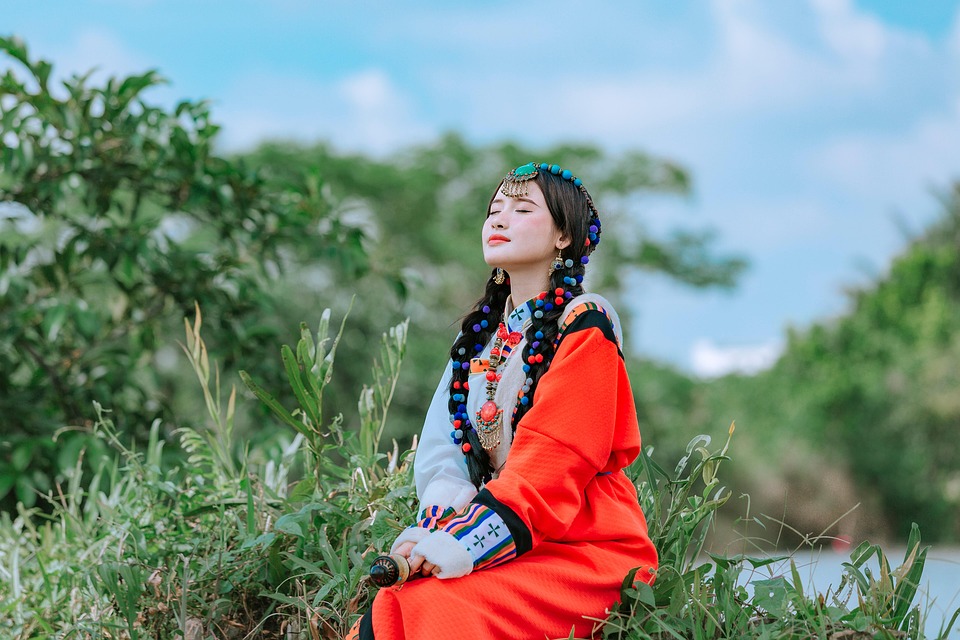
Traditional clothing serves as a vibrant tapestry of culture, history, and identity. Across the globe, each region boasts distinct styles, materials, and motifs that provide insights into their unique cultural narratives. These garments not only reflect aesthetic values but also embody centuries-old traditions, beliefs, and social structures. This exploration delves into the diverse tapestry of traditional clothing cultures worldwide, celebrating the rich heritage they represent.
The Symbolism and Significance of Traditional Clothing
Traditional clothing often holds profound cultural significance, representing the values, beliefs, and histories of different communities. It serves as a form of non-verbal communication, conveying social status, marital status, religious affiliation, and even occupation. Moreover, many traditional garments are worn during significant life events such as weddings, funerals, and festivals, marking rites of passage and communal celebrations. The intricate designs, colors, and patterns hold symbolic meanings, often passed down through generations, thus preserving cultural identity and continuity.
African Elegance: The Kente Cloth of Ghana
In Ghana, the Kente cloth is a symbol of national pride and cultural heritage. Known for its vibrant colors and complex patterns, Kente is traditionally woven by the Akan people on narrow looms. Each color and pattern has specific meanings, with yellow representing fertility, green symbolizing growth, and red denoting sacrificial rites. The cloth is often worn during important ceremonies and has become an emblem of African identity worldwide. The making of Kente is an intricate process, requiring skilled craftsmanship and a deep understanding of its cultural symbolism.
The Grace of Japan: Kimono
Japan’s kimono is a timeless garment that epitomizes grace and elegance. Traditionally worn by both men and women, the kimono varies in style and color depending on the occasion and season. Made from silk, it features long sleeves and a wrap-around design secured by an obi belt. The motifs, such as cherry blossoms or cranes, often reflect nature and are imbued with symbolic meanings. Today, the kimono is worn during special occasions like weddings and tea ceremonies, serving as a bridge between Japan’s rich past and its modern identity.
India’s Saree: A Six-Yard Wonder
The saree, a quintessential Indian garment, is a versatile piece of clothing worn by women across the subcontinent. It consists of a long piece of cloth, usually six to nine yards in length, draped elegantly over the body. The saree’s draping styles and the types of fabric used vary greatly across regions, reflecting India’s diverse cultures. Whether it’s the vibrant hues of a Bandhani saree from Gujarat or the intricate weaves of a Kanjeevaram from Tamil Nadu, each saree tells a story of its own. The saree is both a daily wear garment and a ceremonial attire, embodying tradition and modernity.
The Scottish Kilt: A Symbol of Heritage
The Scottish kilt is a symbol of national pride and cultural heritage. Traditionally made from woolen cloth in a tartan pattern, kilts are associated with Scottish clans and their distinct identities. Each tartan pattern represents a specific clan, reflecting their history and lineage. Worn by men, the kilt is often paired with a sporran, a leather pouch, and other accessories like the sgian-dubh, a small knife. Kilts are worn during formal events, Highland games, and cultural festivals, celebrating Scotland’s vibrant history and communal spirit.
Peruvian Textiles: A Woven Legacy
Peru’s traditional textiles are renowned for their vivid colors and intricate patterns. The Andean people have been weaving textiles for thousands of years, using natural fibers like alpaca and llama wool. The textiles feature geometric designs and motifs inspired by nature and mythology, often telling stories of the Andean cosmology. These garments, such as ponchos and skirts, are not only functional but also carry cultural significance, representing the weaver’s community and heritage. Peruvian textiles are integral to cultural expressions during festivals and rituals.
The Elegance of Vietnamese Áo Dài
The Áo Dài is a traditional Vietnamese garment known for its elegant and form-fitting design. Worn by both men and women, it consists of a long tunic with slits on both sides, worn over trousers. The Áo Dài is often made from silk or other fine fabrics and is adorned with intricate embroidery or prints. It is worn during weddings, Tet (Vietnamese New Year), and other formal occasions. The Áo Dài has evolved over time, blending traditional and modern elements, and continues to be a symbol of Vietnamese cultural identity and pride.
Maasai Shúkà: The Robe of the Serengeti
The Maasai people of East Africa are known for their distinctive traditional attire, the Shúkà. This vibrant red robe is a staple of Maasai culture, symbolizing bravery and strength. The color red is of particular importance, believed to scare off lions. The Shúkà is often paired with intricate beadwork, which is crafted by Maasai women and signifies various cultural meanings, such as age and social status. The Maasai continue to wear their traditional clothing with pride, maintaining a strong connection to their cultural roots amid modern influences.
The Timelessness of Chinese Qipao
The Qipao, also known as Cheongsam, is a traditional Chinese dress that exudes elegance and sophistication. Originating in the 1920s in Shanghai, the Qipao is characterized by its high collar, fitted waist, and side slits. Typically made from silk and adorned with intricate embroidery, the Qipao is worn during formal occasions and cultural festivals. It has become a symbol of Chinese femininity and cultural heritage, representing a fusion of traditional and modern aesthetics in its timeless design.
Conclusion
Exploring the diverse traditional clothing cultures worldwide offers a window into the rich tapestry of human civilization. These garments are more than mere clothing; they are expressions of identity, heritage, and artistry. They tell stories of the past and present, linking generations and communities. As the world becomes increasingly interconnected, preserving and celebrating traditional clothing becomes essential in maintaining cultural diversity and fostering mutual understanding. Through these vibrant textiles and designs, we gain a deeper appreciation for the world’s cultural wealth and the enduring human spirit of creativity.
#ChatGPT assisted in the creation of this article.